In a recent Facebook post we highlighted diversity within the Elmont community. Among the many countries represented here in this multicultural hamlet, the Haitian cohort has secured a strong foothold in the Elmont community, which is comparable to some of the highest representations of the ethnic group in the region. According to research, Elmont specifically hasContinueContinue reading “Elmont with one of the highest percentages of Haitian ancestry, research shows”
Tag Archives: history
Foster’s Meadow: A German farming community
[Via Elmont Herald] The Franklin Square Historical Society announces a new website for the preservation of the memory of Fosters Meadow — a German farming community that was established in the 1850s. Fosters Meadow was originally a large sheep pasture that was purchased by Thomas and Christopher Foster in 1650. Today, this area corresponds toContinueContinue reading “Foster’s Meadow: A German farming community”
A Traveler’s Journey Along the Queens-Nassau Borderline
[History: Part 3, via Forgotten New York] There are not one, but two signs welcoming motorists to Nassau County as the border is crossed east of the Cross Island Parkway. There are, of course, no such signs welcoming visitors to New York City or Queens as you are going west. Just past theContinueContinue reading “A Traveler’s Journey Along the Queens-Nassau Borderline”
History (Part 2)
[via franklinsquarehistory.org]: Fosters Meadow was named for two brothers who used the western tip of the Hempstead Plains as a sheep pasture in the 17th Century. In the 18th and first half of the 19th Century it was populated by descendants of Dutch and English immigrants who established a vibrant farming community. But it was in the 1850s when theContinueContinue reading “History (Part 2)”
History (Part 1)
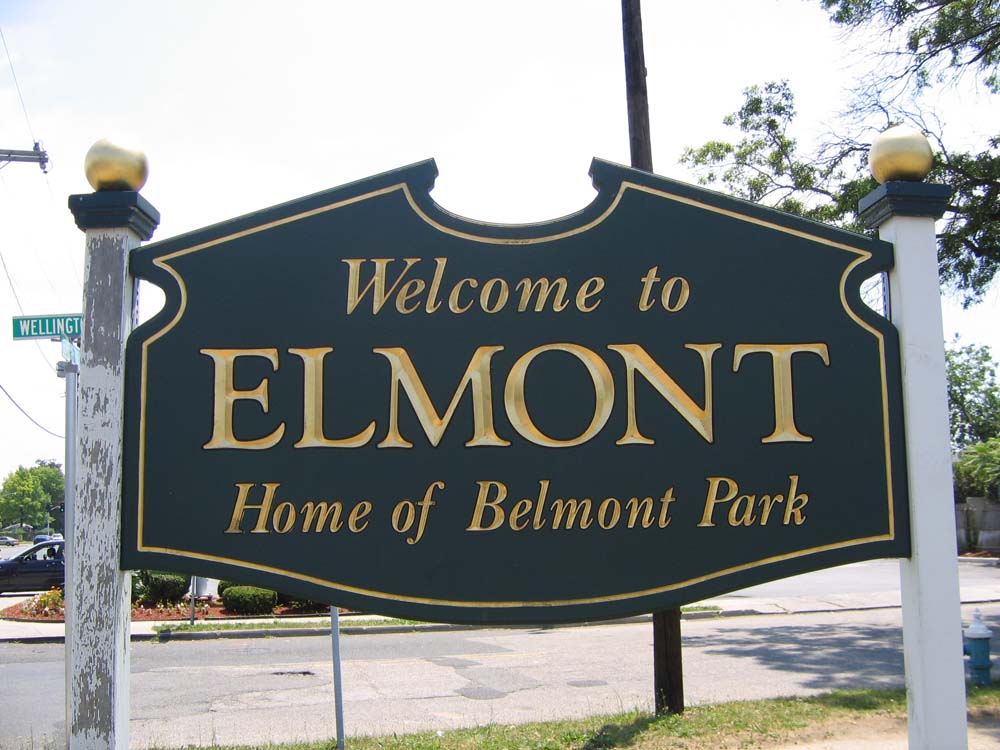
In 1650, Christopher and Thomas Foster purchased a large plot of land controlled by Dutch settlers with the intention of raising cattle and sheep. They named this place “Foster’s Meadow” — a name which would remain for the next 200 years of the village’s history. Control of the Dutch colony of New Amsterdam shifted to England in 1664, markingContinueContinue reading “History (Part 1)”
 Elmont and Valley Stream Community News | The Elmont Excelsior